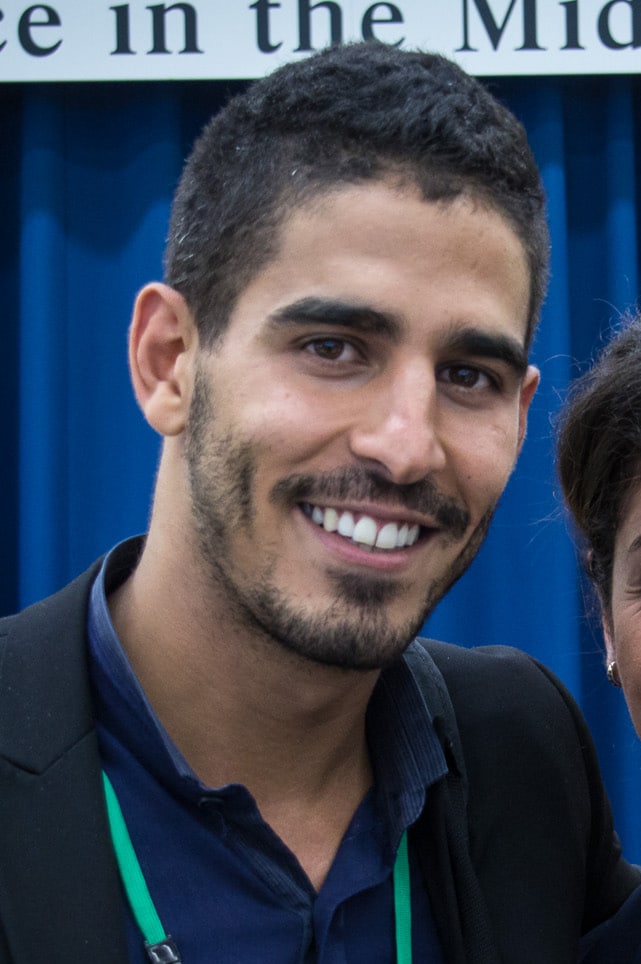
Journalist Ahmed Shihab-Eldin has reportedly been detained in Kuwait after being last seen on March 2 while visiting family at the onset of the regional conflict. Authorities are believed to be pursuing charges against him for allegedly disseminating false information.
Shihab-Eldin, an internationally recognized and award-winning journalist, has previously worked with major outlets including PBS, HuffPost, and Al Jazeera English. He is also widely known for his coverage of Gaza and his outspoken criticism of Israeli government policies.
Shortly before his reported arrest, Shihab-Eldin shared verified footage on social media showing a U.S. fighter jet being mistakenly shot down by Kuwaiti air defense systems. His detention comes amid an increasingly restrictive environment for media coverage related to military affairs in Kuwait.
In recent weeks, Kuwaiti authorities have introduced tighter controls on the publication of defense-related content. On March 3, the Ministry of the Interior issued a warning prohibiting the dissemination of information related to missile activity or sensitive locations. This was followed by the adoption of Law No. 13 of 2026 on March 15, legislation aimed at safeguarding the interests of military institutions.
The law imposes severe penalties on those accused of spreading information deemed harmful to the reputation or morale of military authorities. Under Article 26, individuals found guilty of publishing or promoting what authorities classify as false or damaging information can face a minimum prison sentence of three years, along with substantial financial penalties.
Free Press Alliance strongly condemns the detention of Ahmed Shihab-Eldin and the use of sweeping security legislation to criminalize journalistic activity. Laws that penalize the dissemination of information under vague or expansive definitions of “false news” create a dangerous precedent that undermines press freedom and public accountability. Authorities must ensure transparency, respect due process, and guarantee that journalists are not targeted for carrying out their professional duties.