In many parts of the world, censorship no longer begins with a government official banning a newspaper or shutting down a television station. Increasingly, it begins much earlier, inside the minds of journalists, editors, activists, and ordinary citizens who have learned that speaking openly can carry devastating consequences.
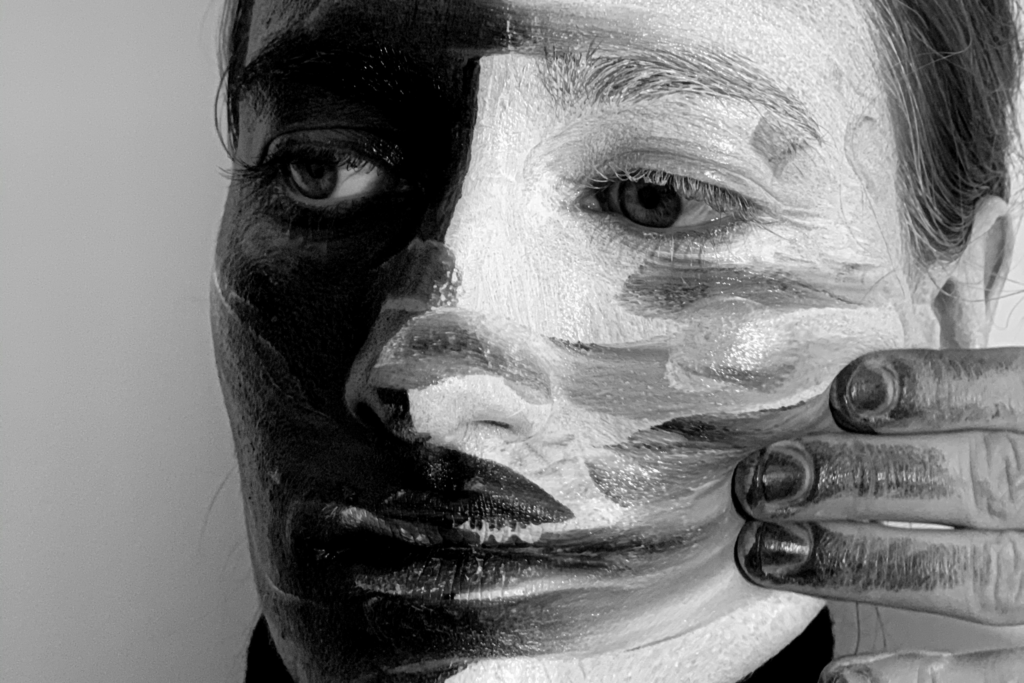
This phenomenon is known as the “chilling effect”: a climate of fear in which people silence themselves not because they are directly censored, but because they anticipate punishment, harassment, surveillance, imprisonment, or violence. For journalists, the chilling effect transforms reporting from a public service into a constant calculation of personal risk. For society, it quietly narrows the boundaries of acceptable speech until silence becomes normalized.
Organizations monitoring press freedom warn that this climate has intensified worldwide over the past decade. According to UNESCO, global freedom of expression has declined significantly since 2012, while self-censorship among journalists has risen sharply. The organization reports that journalists increasingly face physical attacks, digital harassment, legal intimidation, surveillance, and imprisonment, pressures that extend far beyond the newsroom and into public discourse itself.
The chilling effect is particularly dangerous because it is often invisible. A censored article leaves evidence. A story never written does not.
Fear as a tool of control
Historically, authoritarian governments relied on overt censorship: banning publications, imprisoning dissidents, or controlling broadcast media. While those methods still exist, many modern governments and powerful actors now rely on more subtle forms of repression designed to encourage self-censorship rather than direct confrontation.
These tactics include strategic lawsuits against journalists, online harassment campaigns, criminal defamation laws, digital surveillance, arbitrary detention, and public smear campaigns that portray reporters as enemies of the state. The goal is not only to silence individual journalists but also to send a warning to everyone else watching.
The Committee to Protect Journalists (CPJ) has repeatedly documented how legal threats, surveillance measures, and attacks on reporters create broader intimidation that discourages investigative journalism and weakens democratic accountability. In Europe, CPJ warned that criminal defamation laws and counterterrorism legislation can produce a “chilling effect on journalism” by making reporters fear legal or financial retaliation for critical reporting.
Similarly, the Council of Europe found that harassment, intimidation, and threats against journalists often lead reporters to avoid sensitive topics altogether. Surveys conducted among journalists across Europe revealed widespread concerns about surveillance, attacks on sources, and political pressure influencing editorial decisions.
The result is a form of censorship that operates psychologically. Journalists begin to ask themselves:
- Is this investigation worth the risk?
- Could this article endanger my family?
- Will I lose my job, my freedom, or my safety?
When enough reporters begin asking those questions, public debate itself becomes restricted.
When journalists fall silent, society changes
The chilling effect rarely remains confined to the media industry. Once journalists begin avoiding sensitive issues, society gradually adapts to a narrower public conversation.
Citizens may stop criticizing political leaders online. Academics may avoid controversial research topics. Activists may hesitate before organizing protests. Ordinary people learn which opinions are “safe” and which subjects are better left unspoken.
This process fundamentally alters democratic culture. Freedom of expression is not only about the legal right to speak; it also depends on whether people feel safe enough to use that right.
ARTICLE 19, the international freedom-of-expression organization named after Article 19 of the Universal Declaration of Human Rights, has warned that the intimidation of journalists contributes to a broader climate of fear that discourages dissent and independent thought. The organization documented a decline in media freedom worldwide and noted that attacks on journalists increasingly encourage self-censorship, even in countries traditionally considered democratic.
The consequences extend beyond politics. When journalists avoid investigating corruption, abuse of power, organized crime, or human rights violations, entire communities lose access to information that affects their daily lives. Corruption flourishes more easily in silence. Disinformation spreads faster when independent journalism weakens. Public trust erodes when citizens suspect important truths are being hidden.
In this sense, the chilling effect does not simply silence journalists; it reshapes collective reality.
The digital age and the expansion of self-censorship
The rise of digital communication has complicated the issue further. Social media platforms initially appeared to expand freedom of expression by giving ordinary citizens direct access to public audiences. Yet digital spaces have also become environments of surveillance, harassment, and coordinated intimidation.
Researchers studying online behavior increasingly find that many users avoid expressing political opinions publicly due to fear of backlash, harassment, or social consequences. Recent academic research on self-censorship online found that users often alter or suppress their opinions when they perceive hostile environments or fear isolation from their communities.
For journalists, online abuse has become a major driver of self-censorship. Women journalists are disproportionately targeted with threats, misogynistic harassment, and coordinated attacks designed to intimidate them into silence. In some cases, digital harassment escalates into physical threats or state persecution.
Governments have also expanded their use of surveillance technologies, spyware, and cybercrime legislation to monitor journalists and suppress critical reporting. Under these conditions, the chilling effect becomes both physical and digital: reporters may fear not only arrest or violence, but also constant monitoring of their communications, sources, and movements.
The normalization of silence
Perhaps the most dangerous aspect of the chilling effect is how gradually it becomes normalized.
Societies adapt to silence slowly. Topics disappear from headlines. Investigations remain unfinished. Public criticism becomes rarer. Over time, citizens may stop noticing the absence of independent reporting because fear itself has become part of the social fabric.
UNESCO’s recent reporting warns that declining media freedom and increasing self-censorship threaten democratic participation worldwide. The organization emphasizes that attacks on journalists not only harm individuals; they weaken the public’s ability to access reliable information and participate meaningfully in civic life.
The chilling effect, therefore, represents more than a press freedom issue. It is a societal transformation in which fear quietly redraws the limits of public expression.
Why defending journalists matters
Protecting journalists is not solely about defending a profession. It is about preserving society’s ability to question power, expose wrongdoing, and sustain open debate.
When journalists can work safely and independently, societies are more capable of confronting corruption, abuse, inequality, and disinformation. When journalists are intimidated into silence, the public loses access to truths that powerful actors may prefer to keep hidden.
The chilling effect demonstrates that repression does not always require mass censorship to succeed. Sometimes, all it takes is enough fear to convince people that silence is safer than speaking.
And once silence becomes habitual, democracy itself begins to erode quietly, one unasked question at a time.