Nigerian authorities are facing renewed criticism after several journalists were subjected to arbitrary detention, restrictive bail conditions, and criminal investigations, in what press freedom advocates describe as an escalating campaign against independent reporting.
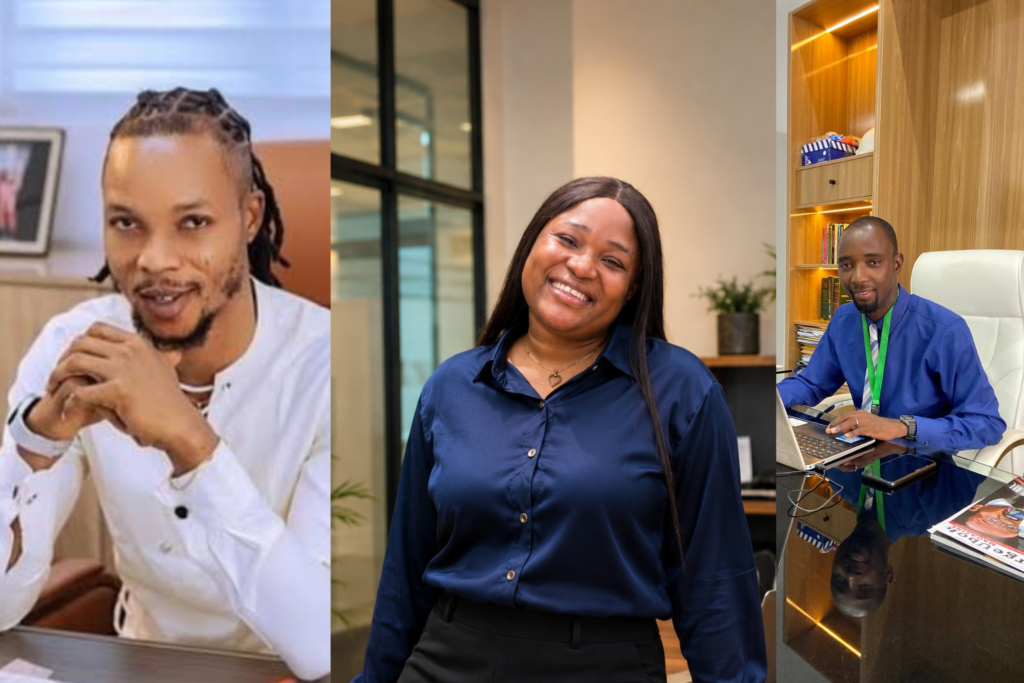
Among the most concerning cases is that of Zainab Sodiq, a journalist and videographer who covers the political activities of Omoyele Sowore, founder of Sahara Reporters and a presidential candidate in Nigeria’s upcoming elections. Sodiq was detained by the Department of State Services (DSS) after voluntarily reporting to its offices on July 8, at the agency’s instruction.
The DSS stated that Sodiq had been intercepted while attempting to board a flight from Lagos to Abuja with a drone that allegedly lacked the required End User Certificate. Although the agency initially let her continue her journey, she was detained two days later when she appeared at its offices.
Supporters of the journalist dispute this official explanation. Sowore, who has acknowledged owning the drone, argues that Sodiq’s detention is instead connected to her reporting on his political activities, his ongoing cybercrime and defamation trial, and footage she secretly recorded documenting the alleged physical harassment of Sowore by DSS officials inside a federal court in Abuja. Under Nigeria’s Constitution, individuals who are arrested must generally be brought before a court within 48 hours, raising due process concerns in Sodiq’s case.
In a separate incident, journalist Stanley Ugagbe was released on bail on July 6, after being secretly detained for several days by Nigeria’s National Cybercrime Centre. Authorities initially denied holding him before later confirming his detention. No formal charges have been filed, but Ugagbe has been ordered to report to police every two days while investigators continue examining his phone and laptop.
According to Ugagbe, armed men forcibly removed him from a public taxi near his home, searched his residence, confiscated his laptop, and transported him blindfolded to an undisclosed detention facility. He alleges he remained blindfolded overnight, was restrained with handcuffs and leg chains, and was later transferred to the Cybercrime Centre, where he developed health complications during his detention.
Authorities have also expanded pressure on investigative journalist Tega Oghenedoro, better known by his pen name Fejiro Oliver. The publisher of Secret Reporters has been summoned by the National Cybercrime Centre over allegations of espionage and cyberstalking, after authorities accused him of leaking government information to foreign entities. Oliver and his legal team reject the accusations, arguing that the investigation is retaliation for his investigative reporting. The journalist was previously detained for 61 days in 2025 while facing separate cybercrime and defamation proceedings.
At Free Press Alliance, we strongly condemn the arbitrary detention, intimidation, and legal harassment of journalists in Nigeria. The repeated use of security agencies, cybercrime investigations, and prolonged detention without due process threatens both press freedom and the rule of law. Journalists must never be targeted for documenting matters of public interest or reporting on political developments. We call on Nigerian authorities to immediately respect constitutional due process guarantees, end the misuse of security legislation against the press, and ensure that all journalists can carry out their work free from intimidation, arbitrary detention, or retaliation.