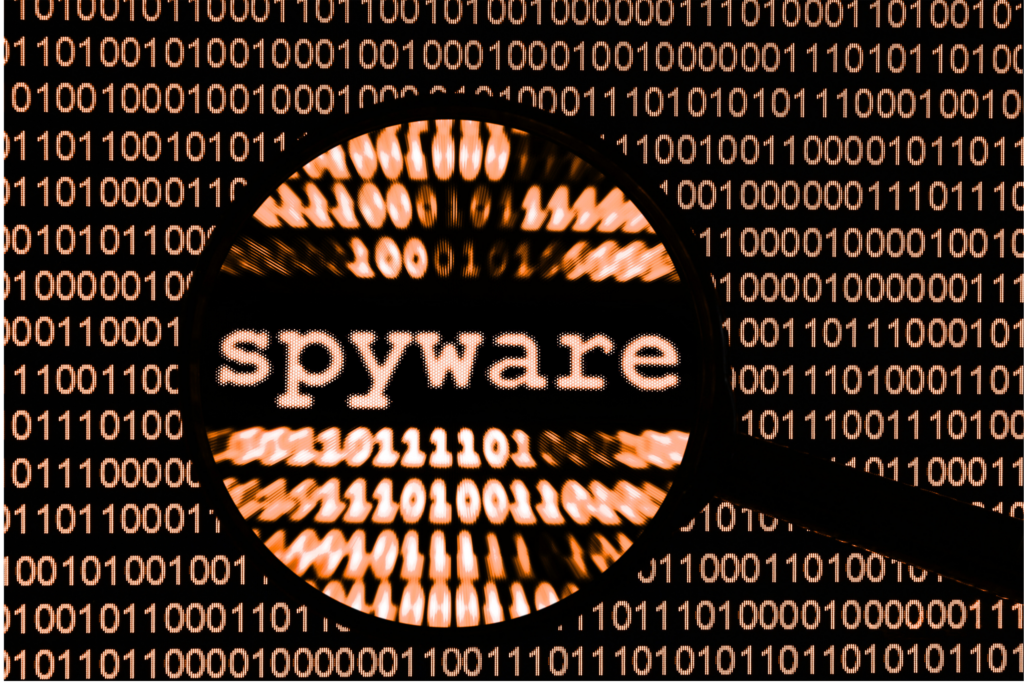
In recent years, the proliferation of commercial surveillance technologies has created new risks for journalists and media organizations. Among the most concerning tools is Predator spyware, a powerful mobile surveillance system that has been linked to multiple cases of targeting journalists, activists, and political opponents around the world.
While governments often justify such technologies as tools for national security or crime prevention, growing evidence suggests that spyware like Predator is increasingly being used in ways that threaten press freedom, undermine journalistic confidentiality, and create a chilling effect on investigative reporting.
What is Predator spyware?
Predator is a sophisticated mobile surveillance tool developed within the Intellexa consortium, a network of companies specializing in commercial spyware products sold to government clients. The software is designed to infiltrate smartphones and extract large amounts of sensitive data from targeted devices.
Once installed, Predator can grant operators extensive access to a target’s phone.
This may include:
- Access to encrypted messaging apps.
- Emails, call logs, and contacts.
- Device location data.
- Stored passwords and photos.
- Audio recordings and screenshots.
- Remote activation of the microphone and camera.
According to forensic research, the spyware can obtain “total access to data stored or transmitted from a target’s device,” making it one of the most invasive surveillance tools currently available.
Predator infections often occur through malicious links sent via messaging platforms or other targeted phishing methods. Once a device is compromised, the spyware is designed to remain hidden and difficult to detect, complicating efforts to investigate abuse.
Journalists as targets
Investigations by digital rights organizations have revealed multiple cases in which Predator spyware was used against journalists. One recent example involves Angolan journalist and press freedom advocate Teixeira Cândido, whose phone was infected with Predator after he opened a malicious link sent via WhatsApp in 2024.
Digital forensic analysis conducted by Amnesty International confirmed the infection and linked the attack to infrastructure associated with Predator spyware. Researchers believe the attack may have been part of a broader surveillance campaign in Angola targeting civil society.
The impact on the targeted journalist was profound. Cândido later described how the surveillance fundamentally changed his behavior:
“Now I only do and say what is essential. I don’t trust my devices.”
Such experiences highlight the psychological and professional consequences of surveillance for journalists whose work depends on secure communications with sources.
Earlier investigations have also connected Predator to surveillance attempts against journalists in Europe, including Greek financial journalist Thanasis Koukakis. These revelations contributed to a wider political scandal involving allegations of unlawful surveillance.
The impact on press freedom
The use of spyware against journalists raises serious concerns for press freedom and democratic accountability.
- Undermining source confidentiality
Confidential sources are essential to investigative journalism. Spyware capable of accessing encrypted communications can expose whistleblowers, confidential informants, and sensitive documents. This risk discourages sources from speaking with reporters and may halt investigations before they even begin.
- Surveillance as intimidation
Even the possibility of being monitored can alter journalists’ behavior. Victims often report limiting communications, avoiding sensitive topics on their devices, or abandoning certain investigations altogether. Researchers describe this phenomenon as a “chilling effect” on journalism and freedom of expression.
- Expansion of transnational surveillance
Commercial spyware has become a global industry. Investigations suggest that Predator-related technologies have appeared in at least 25 countries across Europe, Asia, Africa, and the Middle East.
This international market means that journalists can be targeted not only by their own governments but potentially by foreign actors with access to such tools.
- Weak oversight and regulation
Despite repeated revelations of abuse, the global spyware trade remains poorly regulated. Human rights organizations warn that the export and use of surveillance technologies often occur without meaningful transparency or accountability mechanisms.
This regulatory gap has allowed powerful spyware systems to proliferate faster than legal frameworks designed to control them.
The need for accountability and safeguards
The growing use of spyware against journalists underscores the urgent need for stronger protections for press freedom in the digital age. Experts and human rights organizations have called for several measures, including:
- Stronger export controls on commercial spyware
- Independent oversight of surveillance technologies
- Transparency requirements for governments using such tools
- Greater support for digital security training for journalists
Without meaningful safeguards, spyware technologies risk becoming powerful tools for silencing investigative reporting and suppressing public accountability.
Conclusion
The emergence of commercial spyware such as Predator represents one of the most serious technological threats to press freedom today. By enabling covert access to journalists’ communications, devices, and sources, these tools undermine the core principles that allow independent journalism to function.
Protecting journalists from digital surveillance is therefore not only a cybersecurity issue but a fundamental question of democratic governance and the public’s right to information.