There are more than 476 million people worldwide who self-identify as Indigenous. Across the Americas, Oceania, Asia, Africa, and the Arctic, Indigenous peoples face disproportionate levels of misinformation and disinformation.
These harmful narratives often emerge from historical oppression, political agendas, and the interests of extractive industries. For journalists, reporting on Indigenous issues requires a high degree of rigor, cultural knowledge, and active listening.
This article aims to help journalists recognize harmful tropes, verify information responsibly, and build trust with Indigenous communities while countering the spread of disinformation.
Why Indigenous contexts are vulnerable to disinformation
Disinformation targeting Indigenous groups is not new; it builds on centuries of stereotyping, land dispossession, and efforts to delegitimize Indigenous governance.
Common drivers include:
- Political motivations: Attempts to undermine Indigenous land claims, leadership, or activism.
- Economic interests: Mining, logging, agribusiness, and energy companies often promote misleading narratives to justify resource extraction.
- Historical marginalization: Limited representation in mainstream media makes Indigenous voices easier to distort or exclude.
- Digital inequalities: Lower internet access, language barriers, and limited media literacy training create gaps that disinformation actors exploit.
- Algorithmic amplification: Social media platforms often prioritize sensational content, allowing harmful stereotypes to spread faster than corrections.
The historical lenses that distort reporting
Modern disinformation is reinforced by long-standing colonial narratives that still appear, explicitly or subtly, in news coverage.
Harmful frames journalists should avoid
- Portraying Indigenous peoples as backward, primitive, or anti-development.
- Reducing communities to a single identity, ignoring their diversity, multilingualism, and political complexity.
- Focusing exclusively on conflict, poverty, or trauma, without acknowledging resilience, knowledge systems, and political agency.
- Relying on the “expert says” model that excludes Indigenous experts in favor of government or industry perspectives.
- Reporting from a colonial perspective, which state institutions are treated as “neutral,” and Indigenous actors are framed as “activists.”
How disinformation spreads in Indigenous contexts
- Social media manipulation
Coordinated networks, sometimes backed by political groups or corporations, spread misleading narratives to justify resource extraction, criminalize Indigenous land defenders, or influence elections.
- Manipulated imagery
False or misleading images portraying Indigenous communities as violent, irresponsible, or environmentally destructive are widely circulated on platforms such as Facebook, WhatsApp, and TikTok.
- Language gaps
Disinformation often circulates in regional or Indigenous languages where fact-checking organizations have limited reach.
- Local intermediaries
Local leaders co-opted by political parties or corporate interests may be presented as legitimate sources while spreading false or misleading information.
Ethical reporting principles
To counter disinformation, reporting on Indigenous issues must be grounded in ethical practice.
- Prioritize Indigenous voices
Always include Indigenous experts, community leaders, and grassroots organizations, not only government officials, NGOs, or outside analysts.
- Use correct terminology
Ask communities how they self-identify and which terms they prefer. Mislabeling can reinforce harmful stereotypes and erase identity.
- Understand governance structures
Indigenous authority systems may be collective, rotational, or community-based. Journalists should understand who has the legitimacy to speak before making assumptions.
- Respect cultural protocols
Some communities require permission for:
- Photographing or filming ceremonies.
- Recording sacred spaces.
- Publishing the names of deceased individuals.
- Entering communal or ancestral lands.
- Avoid extractive reporting
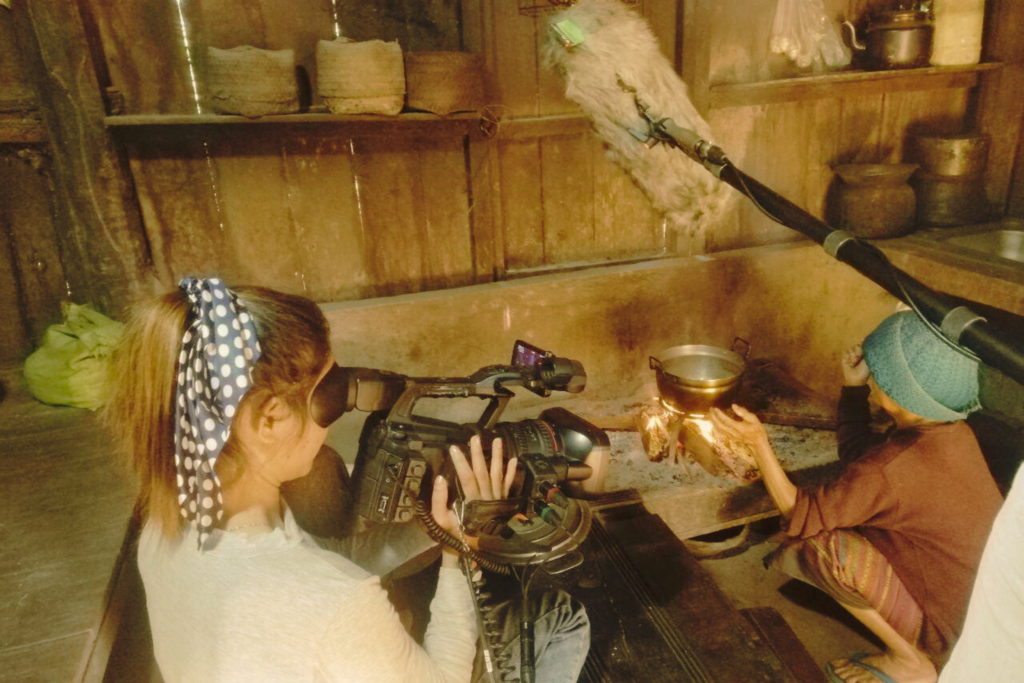
Be transparent about your intentions, explain how quotes and images will be used, and, when possible, return to the community to share the published work.
Conclusion
Responsible reporting on Indigenous contexts is not only an ethical obligation but also a powerful tool to counter disinformation that threatens lives, rights, and cultural survival. By grounding journalism in respect, accuracy, and collaboration, reporters can amplify Indigenous voices and challenge the misinformation systems that seek to silence them.