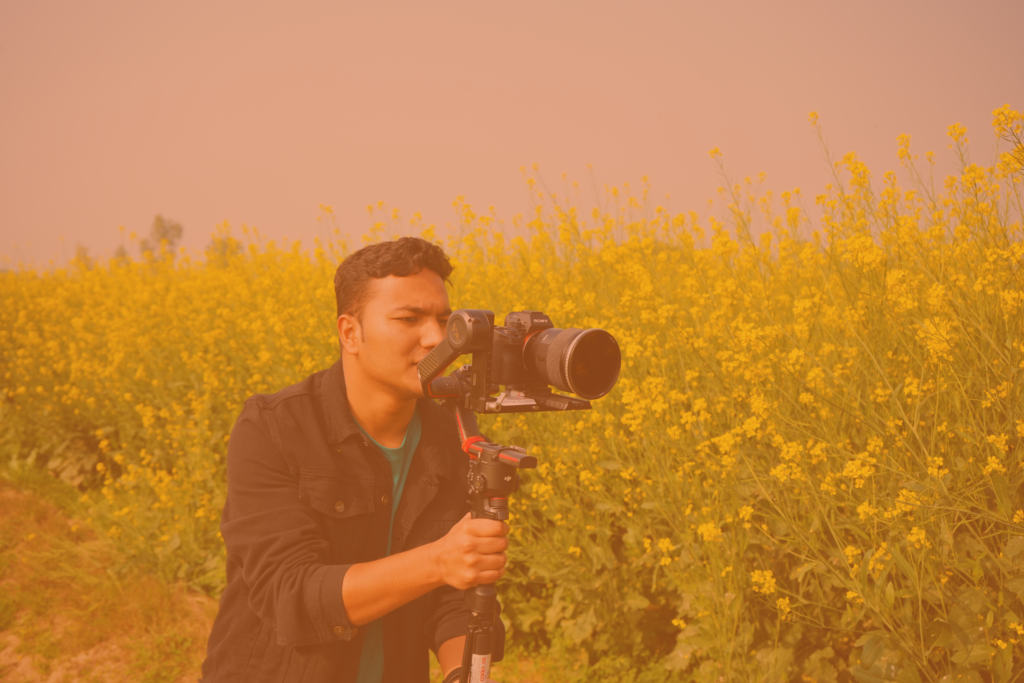
Why field research matters: The foundation of credible journalism
In an era defined by rapid information flows, digital reporting, and AI-generated content, the value of field research in journalism has never been more critical,
In an era defined by rapid information flows, digital reporting, and AI-generated content, the value of field research in journalism has never been more critical,

In recent years, the proliferation of commercial surveillance technologies has created new risks for journalists and media organizations. Among the most concerning tools is Predator
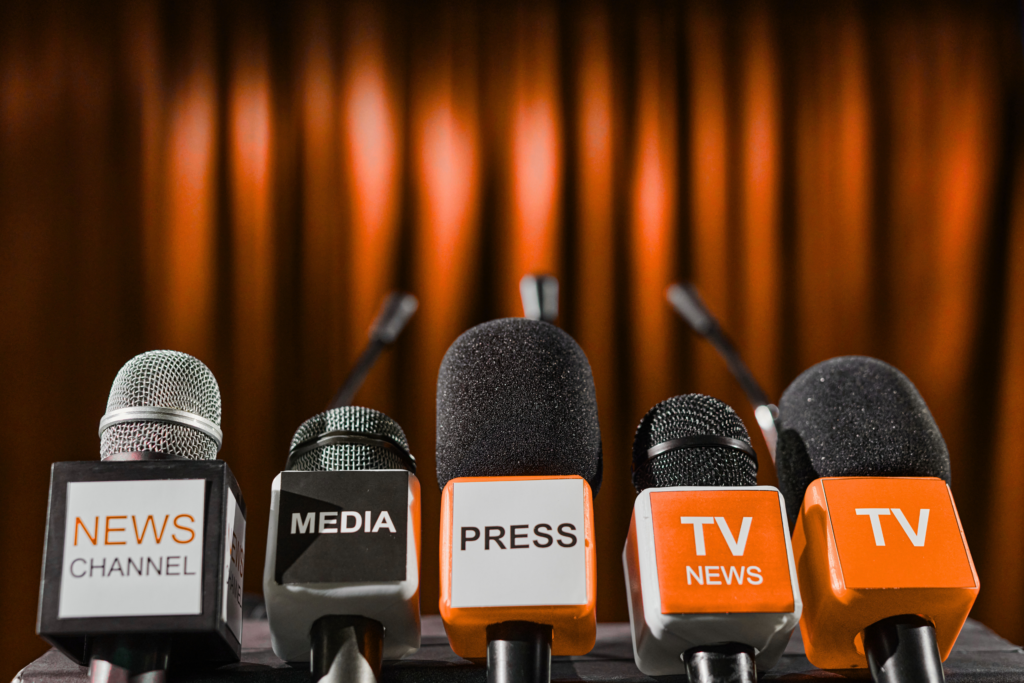
In every healthy democracy, a free press is not an optional luxury; it is a structural pillar that enables the political system to function as

When journalists are forced into exile, the world often celebrates their “escape” from danger. But on the other side of that journey, which may span

Why media education matters today In an information ecosystem dominated by digital platforms, algorithmic distribution, and increasing political polarization, audiences are no longer passive consumers
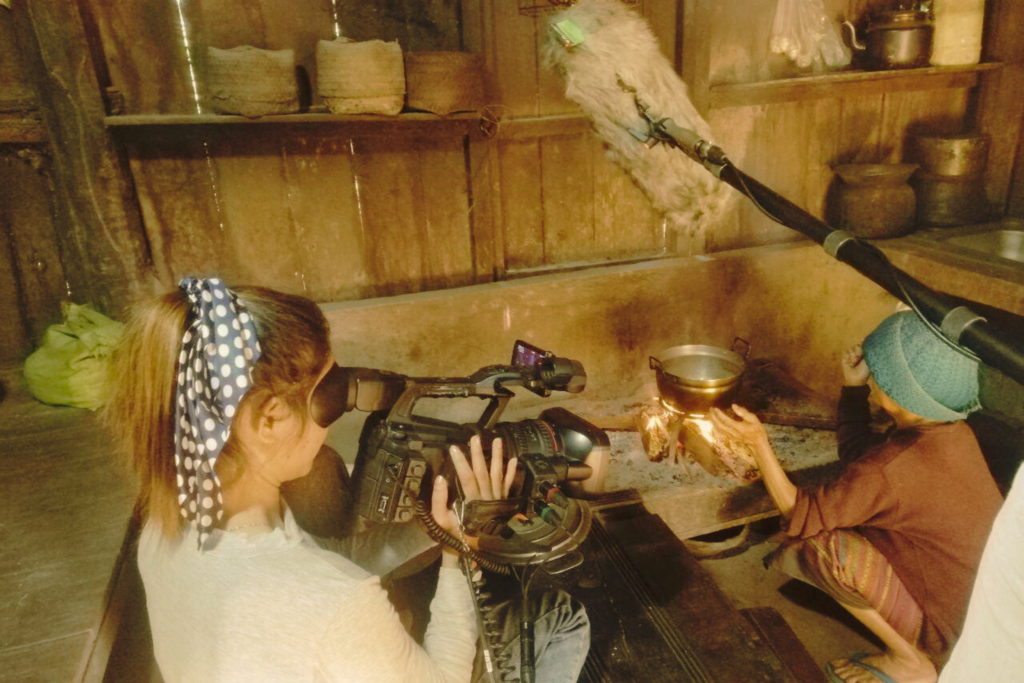
There are more than 476 million people worldwide who self-identify as Indigenous. Across the Americas, Oceania, Asia, Africa, and the Arctic, Indigenous peoples face disproportionate