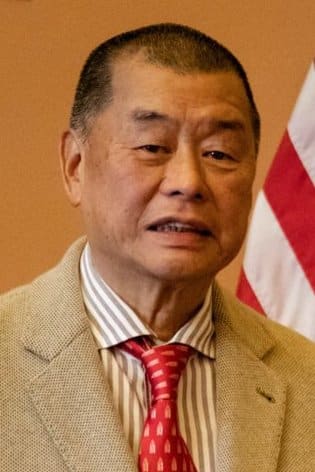
For years, Jimmy Lai stood as one of the most recognizable defenders of press freedom in Hong Kong. As the founder of the pro-democracy newspaper Apple Daily, Lai became a symbol of resistance against Beijing’s growing control over the territory’s media landscape. Today, at 78 years old, he is serving a 20-year prison sentence under Hong Kong’s controversial National Security Law, in a case that human rights organizations, journalists, and democratic governments have condemned as politically motivated.
Born in Guangzhou in 1947, Lai fled mainland China as a child stowaway and arrived in Hong Kong with almost nothing. He eventually built a successful clothing business before entering the media industry in the 1990s, founding Apple Daily, which became known for its outspoken criticism of the Chinese Communist Party and its support for democratic reforms.
During the 2019 pro-democracy protests in Hong Kong, Apple Daily became one of the city’s most influential independent voices. After Beijing imposed the National Security Law in 2020, authorities increasingly targeted opposition figures, activists, and journalists. Lai was arrested in August 2020 and accused of “collusion with foreign forces” and publishing “seditious materials.” Prosecutors argued that articles published by Apple Daily and Lai’s meetings with foreign officials constituted threats to national security.
The newspaper was forced to shut down in June 2021 after authorities froze its assets and arrested senior editors. Its closure marked a turning point for media freedom in Hong Kong. Committee to Protect Journalists and Reporters Without Borders described the case as evidence of the rapid dismantling of independent journalism in the territory.
In February 2026, Lai was sentenced to 20 years in prison following what became Hong Kong’s most high-profile national security trial. International reactions were immediate. Governments from the United Kingdom, the United States, and the European Union condemned the sentence, while press freedom organizations warned that the prosecution criminalized journalism itself.
According to Reuters, prosecutors used more than 160 Apple Daily articles as evidence during the trial. Human rights groups argued that the charges effectively punished Lai for editorial work and political speech rather than any legitimate criminal activity.
The case has also intensified international diplomatic pressure on China. In recent weeks, more than 100 bipartisan U.S. lawmakers urged President Donald Trump to raise Lai’s imprisonment directly with Chinese President Xi Jinping during meetings in Beijing. Trump publicly stated that he intends to discuss Lai’s case with Chinese authorities.
Meanwhile, Lai’s family and supporters continue to warn about his deteriorating health after years in detention, much of it reportedly spent in solitary confinement. Advocacy campaigns across Europe and North America have called for his immediate release on humanitarian grounds.
For many observers, Jimmy Lai’s imprisonment represents more than the prosecution of a single publisher. It reflects the broader collapse of press freedom in Hong Kong, once considered one of Asia’s freest media environments. International watchdogs now rank the territory far lower in global press freedom indexes, citing censorship, intimidation, arrests of journalists, and the closure of independent outlets.
As global attention returns to Lai’s case, Free Press Alliance argues that the outcome will continue to shape international perceptions of Hong Kong’s judicial independence, freedom of expression, and the future of independent journalism under Beijing’s rule.