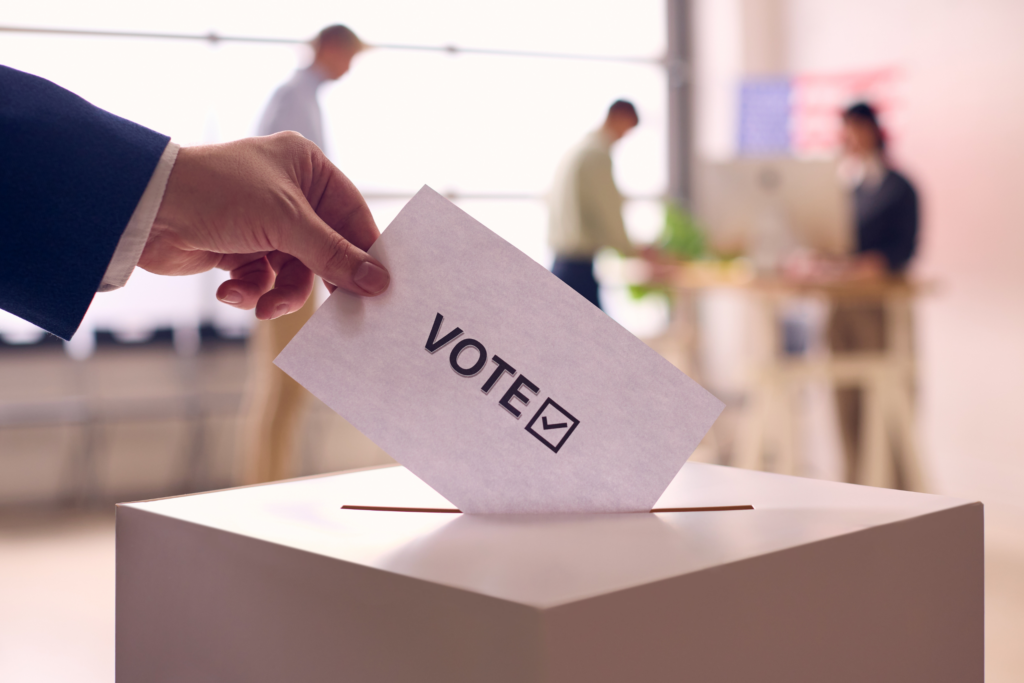
Local elections are often the most immediate expression of democracy, directly shaping communities, governance, and public services. Yet they are also highly vulnerable to misinformation, political pressure, and editorial bias. For journalists, the challenge is not just to report, but to do so fairly, accurately, and independently, ensuring citizens can make informed decisions.
This guide outlines key principles and practical strategies for covering local elections without bias, grounded in established journalistic standards and international guidelines.
-
Understand What “Bias” Looks Like in Election Coverage
Bias is not always overt. It often manifests subtly through selection, framing, and emphasis.
According to Media Helping Media, common forms include:
- Unequal airtime or coverage for candidates.
- Selective use of images or footage.
- Highlighting favorable or unfavorable moments disproportionately.
Even technical decisions, camera angles, headlines, or story placement can shape audience perception.
Key takeaway: Neutrality is not just about what you report, but how you report it.
-
Separate Reporting from Opinion
A foundational rule across journalism codes is the clear distinction between fact and commentary.
Election guidelines emphasize that:
- Journalists may express opinions, but only in designated editorial spaces.
- News reporting must remain fact-based and impartial.
Blurring this line undermines credibility and confuses audiences.
Best practice:
Label opinion clearly and avoid inserting interpretation or judgment into news stories.
-
Prioritize Accuracy and Verification
Accurate reporting is essential to counter misinformation, especially during elections.
As highlighted by Poynter:
- Election reporting should aim to “show the public the truth” and reduce unfounded rumors.
This includes:
- Verifying all claims, especially those from campaigns.
- Cross-checking data and election procedures.
- Avoiding premature conclusions.
Best practice: Treat every claim, especially viral or politically charged ones, as unverified until confirmed.
-
Ensure Fair and Proportional Coverage
Fairness does not mean giving equal coverage to all candidates; it means proportional and justified coverage.
Guidelines stress that:
- All parties should have a voice.
- Coverage should reflect political relevance without excluding smaller actors.
Common mistake: Over-covering incumbents simply because they generate more news.
Best practice: Track your coverage, sources, quotes, and airtime to identify imbalances.
-
Include Diverse Perspectives
Balanced journalism requires actively seeking multiple viewpoints, especially beyond dominant political actors.
Neutral reporting should:
- Represent different political positions.
- Include underrepresented voices.
- Reflect community concerns, not just party agendas.
International Journalist Network guidance also suggests shifting focus toward citizens and local issues, not just candidates.
Best practice: Ask: Who is missing from this story?
-
Use Neutral and Precise Language
Language is one of the most powerful sources of bias.
Avoid:
- Loaded adjectives (“controversial,” “popular,” “radical”).
- Emotional or evaluative phrasing.
- Headlines that imply judgment.
Neutral reporting relies on:
- Describing events factually.
- Letting quotes and verified data speak for themselves.
Example:
Instead of “Candidate X failed to address concerns,” write:
“Candidate X did not respond to questions about [issue].”
-
Be Transparent About Sources and Methods
Transparency builds trust and reduces perceptions of bias.
Election reporting guidelines recommend:
- Explaining how information was obtained.
- Disclosing methodology for polls (sample size, margin of error, etc.).
Best practice:
When reporting polls or data, include:
- Who conducted it
- When
- How
-
Handle Sources with Caution
Election periods attract strategic leaks, propaganda, and manipulation.
Journalists should:
- Question who benefits from the information.
- Avoid over-reliance on anonymous sources.
- Verify independently before publishing.
Best practice:
If a source cannot be verified, clearly state the limitations.
-
Avoid Conflicts of Interest
Independence is central to unbiased reporting.
Journalists must:
- Reject gifts, favors, or political incentives.
- Avoid public political endorsements.
- Maintain professional distance from candidates.
Even perceived bias can damage credibility.
-
Center the Public, Not the Politics
Election coverage often becomes overly focused on political strategy rather than public impact.
International Journalist Network suggests:
- Reporting on issues affecting voters.
- Highlighting community voices.
- Explaining how policies impact daily life.
Shift the lens:
From “Who is winning?” → to “What is at stake for citizens?”
-
Prepare: Know the Rules and the Context
Journalists covering local elections must understand:
- Electoral laws and procedures.
- Voting systems and timelines.
- Local political dynamics.
Preparation reduces errors and prevents manipulation.
-
Correct Mistakes Quickly and Transparently
No newsroom is immune to errors, but credibility depends on how they are handled.
Guidelines emphasize:
- Prompt corrections.
- Clear acknowledgment of mistakes.
- Accessible complaint mechanisms.
Conclusion: Bias awareness is a continuous process
Complete objectivity may be difficult to achieve, but fairness, accuracy, and transparency are not optional.
Covering local elections without bias requires:
- Constant self-scrutiny.
- Editorial accountability.
- A commitment to public interest journalism.
At its core, election reporting is not about neutrality for its own sake; it is about ensuring citizens have the reliable information they need to participate in democracy.