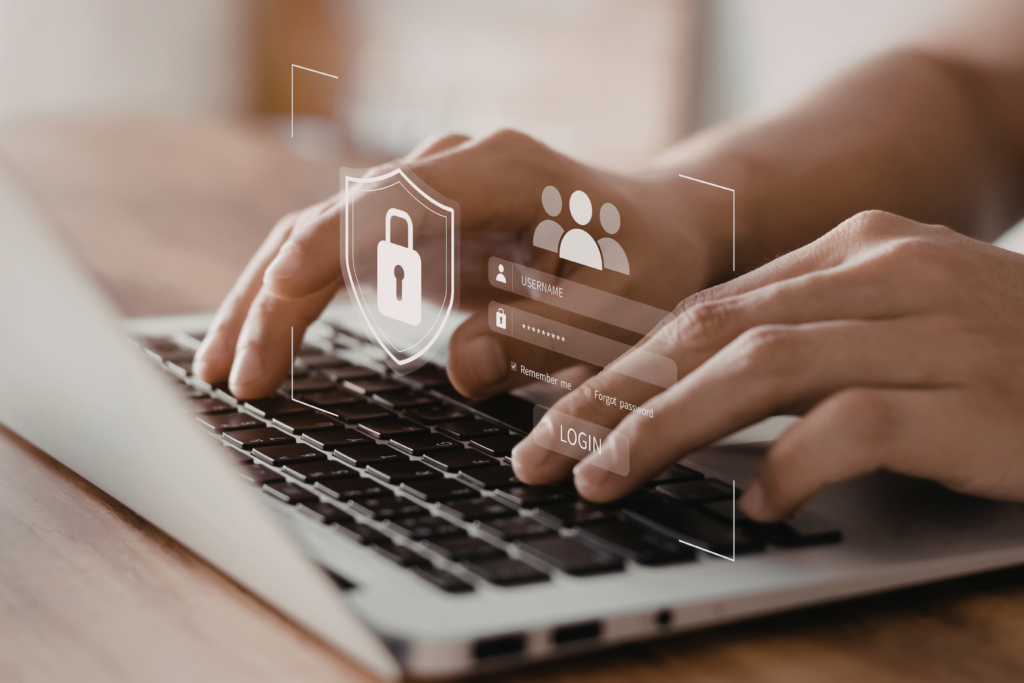
In today’s digital-first media environment, journalists rely on online tools to communicate with sources, publish stories, and investigate complex issues. But this connectivity comes with growing risks. From surveillance and hacking to online harassment and data leaks, protecting your privacy is no longer optional; it is essential to safeguard both your work and your sources.
According to UNESCO, digital threats such as surveillance, data retention, and cyberattacks can undermine journalistic work and even compromise the confidentiality of sources, ultimately weakening press freedom and public access to information.
This guide outlines key strategies journalists can use to manage their privacy and stay secure online.
Start with a risk assessment
Before adopting any tools or practices, journalists should evaluate their personal risk level. We recommend considering:
- What information do you handle?
- Who might want access to it?
- What could happen if it was exposed?
This process helps determine the level of security needed for each assignment.
Secure your accounts
Your accounts are often the first target for attackers.
Best practices:
- Use long, unique passwords (at least 15–16 characters).
- Never reuse passwords across platforms.
- Enable two-factor authentication (2FA) on all accounts.
- Use a password manager to store credentials securely.
2FA significantly reduces the risk of unauthorized access by requiring an additional verification step beyond your password.
Protect your devices
Journalists frequently store sensitive data on personal devices, making them a high-value target.
Key steps:
- Encrypt your laptop, phone, and external drives.
- Keep software and operating systems updated.
- Use strong passwords or biometric locks.
- Avoid using unsecured public devices.
If a device is lost or seized, encryption can prevent unauthorized access to your data.
Be intentional about what you share
Everything you post online can reveal more than you intend.
Reduce exposure by:
- Avoiding the publication of personal details (address, phone number, date of birth).
- Reviewing privacy settings on social media platforms.
- Removing old or unnecessary content.
- Being mindful that even “private” content may not be fully secure.
Online platforms collect large amounts of user data that can be accessed or exploited, including by authorities or malicious actors.
Protect your sources
Confidentiality is a cornerstone of journalism, and digital tools can put it at risk.
To protect sources:
- Use end-to-end encrypted messaging apps.
- Avoid storing sensitive conversations unnecessarily.
- Remove metadata from images and files.
- Consider anonymization when publishing sensitive information.
Mass and targeted surveillance can expose sources, discourage whistleblowing, and undermine investigative reporting.
Guard against phishing and malware
Phishing attacks are one of the most common threats journalists face.
Stay vigilant by:
- Verifying the sender before clicking links or downloading files.
- Checking URLs carefully for inconsistencies.
- Avoiding suspicious attachments.
- Using preview features instead of downloading unknown files.
Even highly targeted attacks can appear legitimate, especially when attackers research their targets in advance.
Use secure communication tools
Not all communication platforms offer the same level of protection.
Recommendations:
- Use encrypted messaging apps for sensitive conversations.
- Avoid SMS for secure communications (it can be intercepted).
- Enable disappearing messages when appropriate.
- Consider using a VPN to mask your IP address.
A VPN can help protect your location and browsing activity, especially when accessing sensitive information online.
Audit your digital footprint
Journalists are often targeted through publicly available personal data.
Conduct regular checks:
- Search your name and personal details online.
- Review what information is publicly accessible.
- Request removal of sensitive data where possible.
- Check images for identifying metadata.
This process helps identify vulnerabilities before they can be exploited.
Understand the bigger picture: surveillance and legal risks
Digital privacy is not only a technical issue, it is also political and legal.
UNESCO highlights that surveillance technologies, counter-terrorism laws, and data retention policies can all impact journalists’ ability to work safely and protect sources.
Journalists should stay informed about:
- National laws on encryption and data access.
- Government surveillance practices.
- Platform policies on data sharing.
Make digital safety a habit
Digital security is not a one-time action; it is an ongoing process.
- Stay updated on emerging threats.
- Regularly review and update your security practices.
- Participate in digital safety training when available.
- Encourage newsroom-wide security culture.
UNESCO emphasizes that building journalists’ capacity to address both online and offline risks is essential to protecting press freedom globally.
Conclusion
Protecting your privacy as a journalist is fundamental to protecting your work, your sources, and the public’s right to information. As digital threats continue to evolve, so must the strategies used to counter them.
By adopting proactive security practices and staying informed, journalists can reduce their exposure to risk while continuing to report freely and safely.